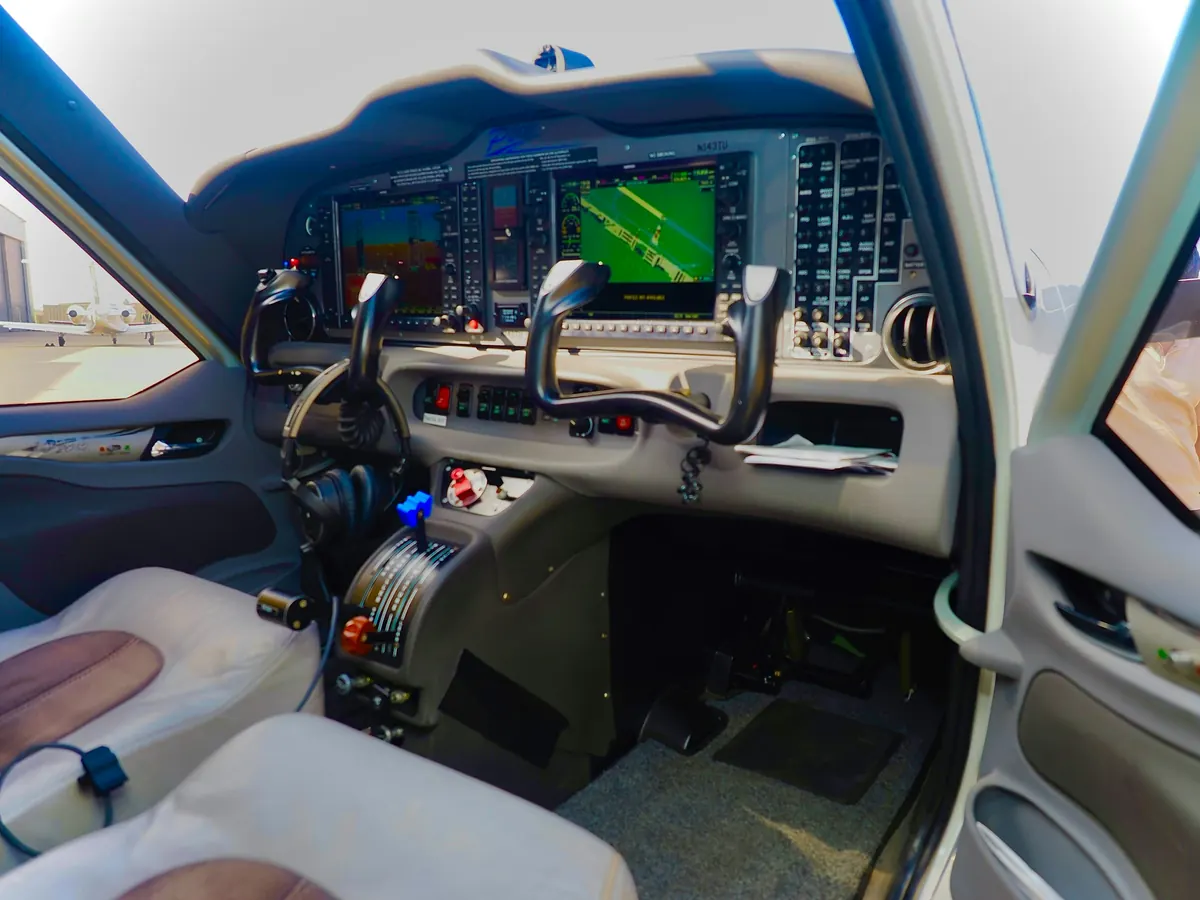
Turboprop
Short runways- Seats
- 6–9
- Range, nm
- ~1,800
- Per hour
- $1,800–3,200
Pilatus PC-12, King Air 350
Light jets and turboprops · Quoted all-in
For trips under about three hours, a turboprop or light jet is usually the sensible choice. Tell us the route and we’ll send options from FAA Part 135 operators, each with one all-in price.

Every quote lists the federal excise tax, segment fees and the airport charges we know about, so you compare real totals, not base rates.
We start with the smallest aircraft that fits your group, bags and runway, then show the step up when it’s worth paying for.
Flights are run by FAA Part 135 carriers, or the foreign equivalent abroad. You’ll know the operator before you book.
No membership, deposit or sign-up to ask for a price. One advisor handles your trip from request to landing.
01Aircraft
Hourly ranges are typical US market estimates before tax and fees. The aircraft, where it’s based and the date move the real number, which is why every trip gets its own quote.
Pilatus PC-12, King Air 350

HondaJet, Citation M2
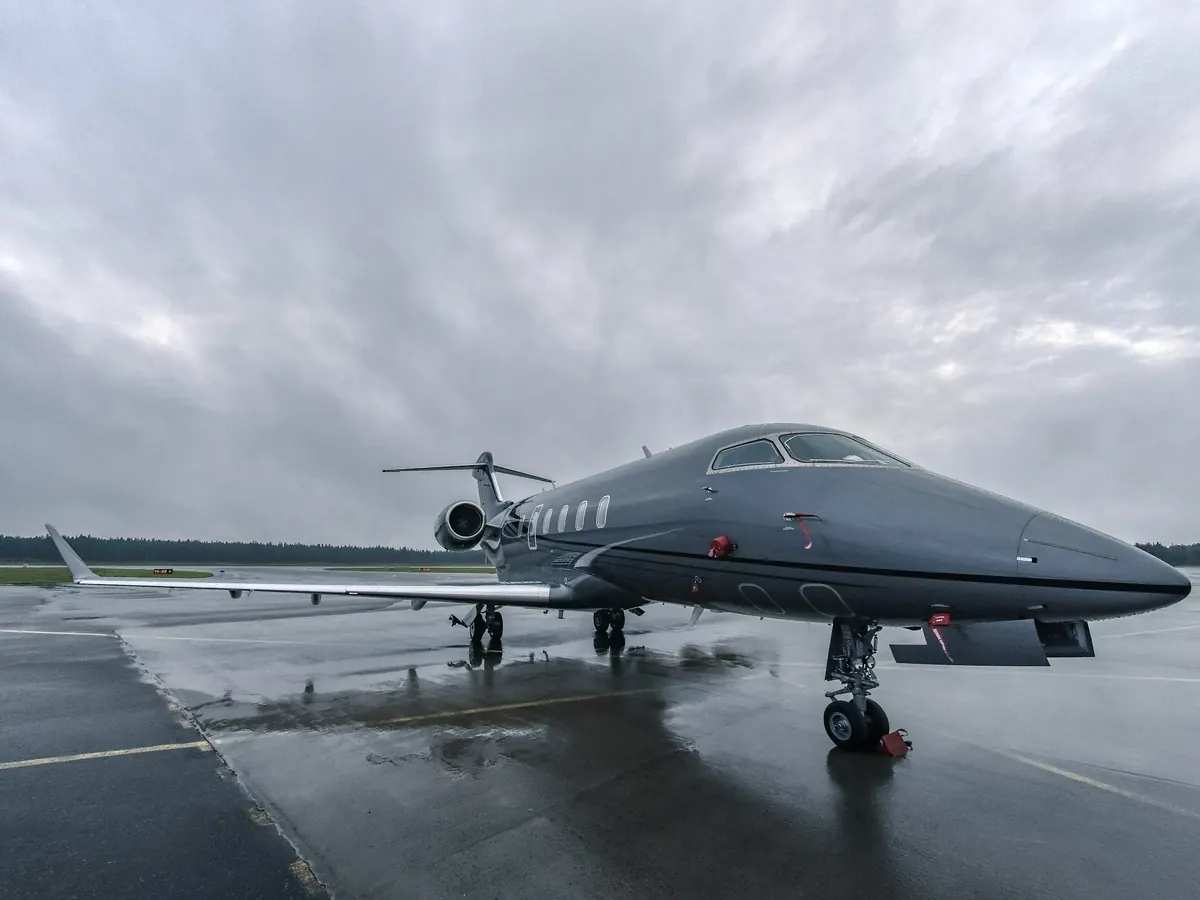
Phenom 300E, Citation CJ4, Learjet 75
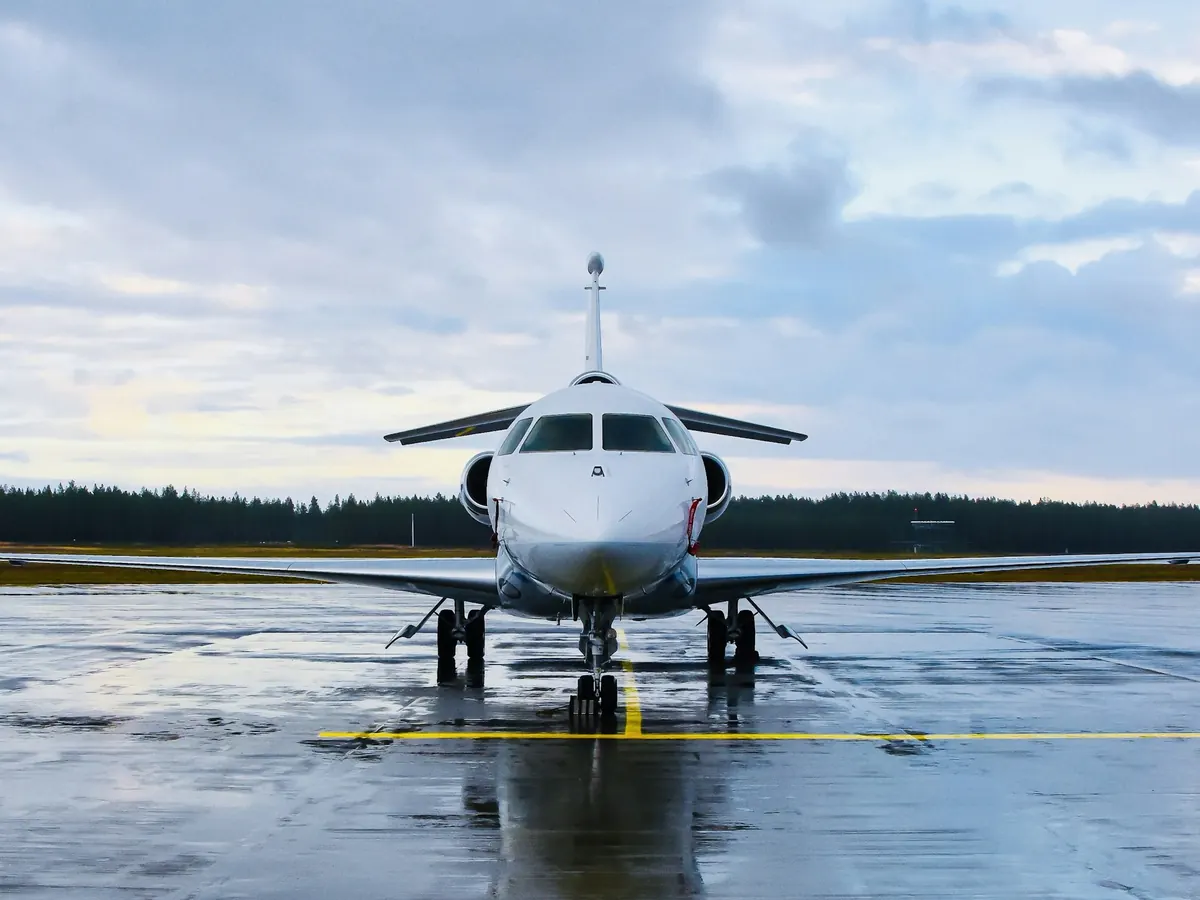
Citation XLS+
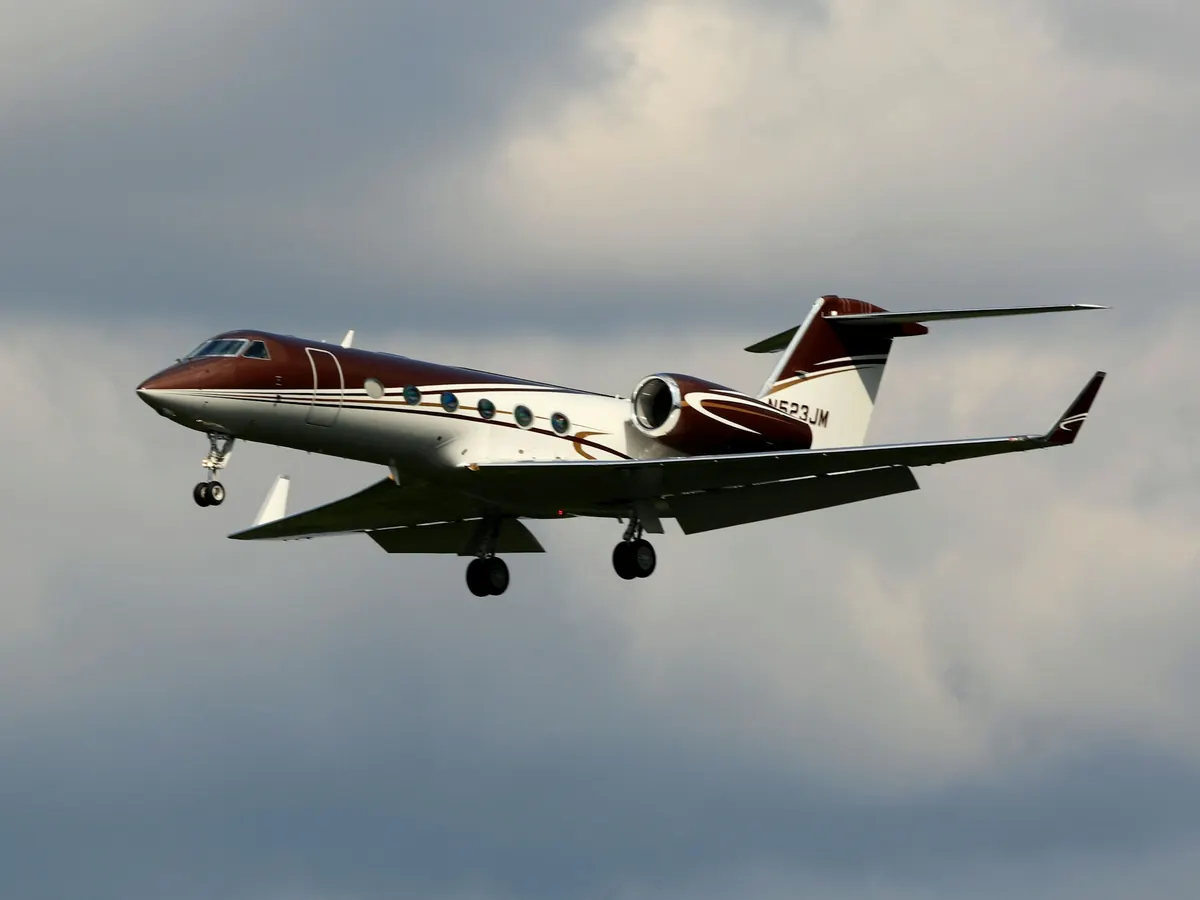
Challenger 350, Citation Longitude, Praetor 600
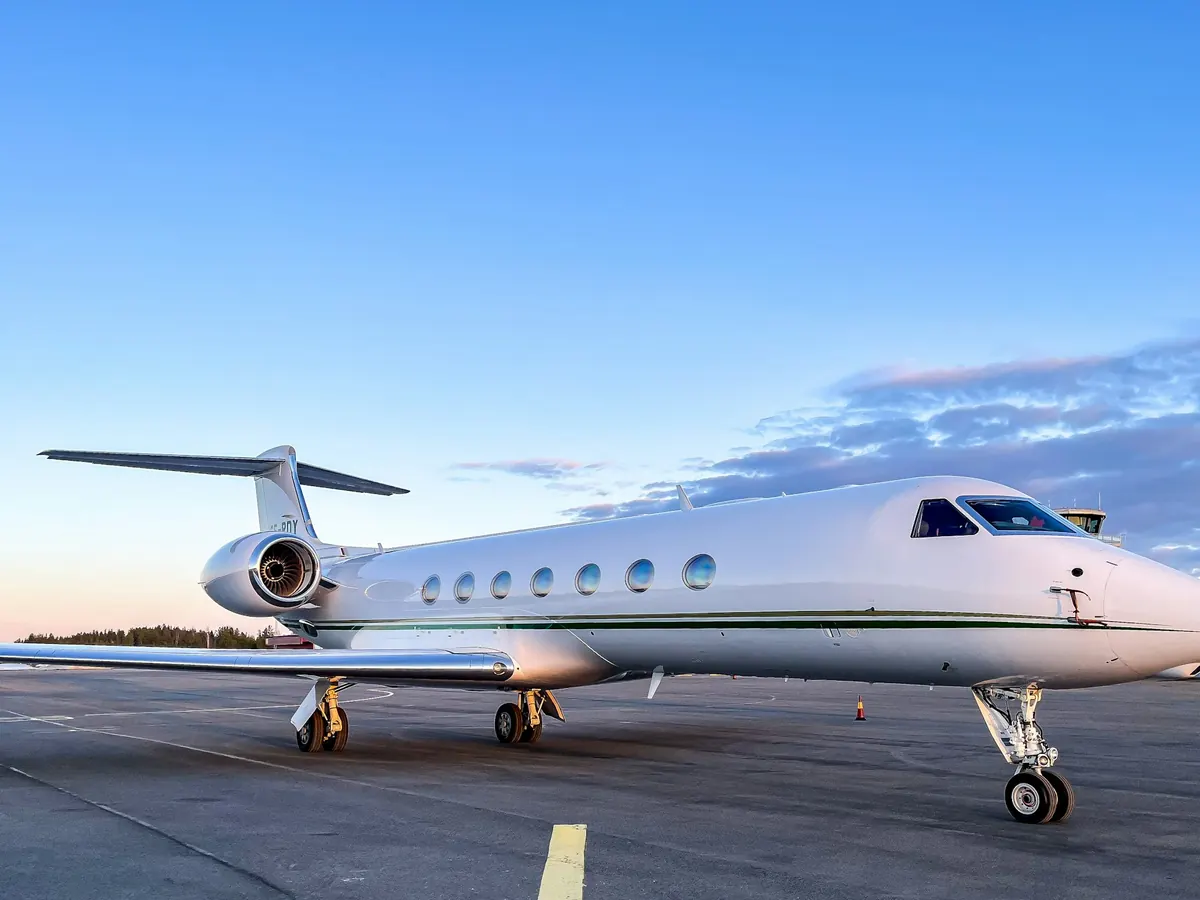
Gulfstream G450, Challenger 650, Falcon 2000LXS
Not sure which size you need? Put passengers and bags in the request notes and we’ll size the aircraft for you.
Compare every category02Costs
Charter is priced by the aircraft, not the seat. On short routes the hourly rate is only part of the story: a daily minimum, an empty repositioning leg or an airport fee can matter as much as the flying itself.
The cheapest version of a trip usually comes from small changes: a few hours of flexibility, a departure airport where aircraft are based, an empty leg going your way, or simply not paying for cabin you won’t use.
Read the full cost breakdown| Flight time | 1 hour at the hourly rate | $3,500–5,500 |
|---|---|---|
| Daily minimum | Some operators bill 1–2 hours a day, even for a shorter flight | If it applies |
| Repositioning | When the aircraft starts elsewhere or flies back empty | Per trip |
| Federal excise tax | 7.5% on domestic US charter | $263–413 |
| Segment fees | About $5 per passenger, per leg | About $20 |
| Airport and handling | Landing, parking and FBO fees vary by airport | On the quote |
| Extras | Catering, Wi-Fi, winter de-icing | Only if needed |
| Flight time, tax and segment fees | ≈ $3,800–5,900 |
US market estimates before daily minimums, repositioning and airport fees. Your quote shows every line for the actual aircraft.
03Range
Turboprops and light jets cover most trips under about 1,000 miles without a stop. Beyond that, winds, passengers and bags decide. Typical published ranges:
Real-world range is shorter than the brochure figure once you add fuel reserves, headwinds and a full cabin. The operator confirms every leg.
Check a route nonstop04How it works
Route, date, passengers and anything unusual: pets, skis, a tight meeting. It takes about a minute.
We ask Part 135 operators with suitable aircraft near your route and check their certificates and safety audits.
You get a short list by email: aircraft, operator and a total price for each. Ask questions or change the plan.
Sign the charter agreement, pay, and receive your trip details. Arrive at the private terminal 15 to 30 minutes before departure.
05Routes
Distances are great-circle; flight times are typical light jet estimates, and turboprops add a little on most of these legs. Choose a route to start a request with it filled in.
06Standards
We arrange flights; certificated operators fly them. Before you book you’ll know the operator’s name, and we’ll share any third-party safety audit it holds.
Charter in the US must be flown by an operator certificated under 14 CFR Part 135, with rules for maintenance, crew training, and pilot duty and rest. Abroad, the local equivalent applies.
A rating service that reviews an operator’s safety history, crew records and aircraft. Ratings run Gold, Gold+ and Platinum, with Platinum requiring an on-site audit.
Audits operators against its own safety standard. Operators that meet it are listed as Wyvern Wingman, which many corporate travel departments ask for.
The International Standard for Business Aircraft Operations, an industry code of practice that registers operators at stages 1 to 3 as their safety management matures.
Want to read the rule itself? 14 CFR Part 135 on eCFR. Audits are voluntary, so not every good operator holds all three; we’ll tell you exactly what the quoted operator has.
07FAQ
The questions people ask most before booking a smaller aircraft. More on pricing, booking and the day of travel in the full FAQ.
All questionsPer hour, yes. Light jets typically run $3,500–5,500 an hour against $4,500–7,000 for a midsize jet (US estimates before tax and fees). On short routes, daily minimums and repositioning can narrow the gap, so when it’s close we price both and show you the difference.
The aircraft time, the 7.5% federal excise tax on domestic US flights, segment fees, and the landing, handling and crew costs we know about when we quote. Costs that depend on the day, like winter de-icing, are listed as possible extras so nothing arrives as a surprise.
None of the three. Asking for a price is free and there is nothing to join; money changes hands only when you book and sign the charter agreement.
Less than in a larger jet. Plan on roughly one medium suitcase per person plus soft bags. Golf bags, skis and bulky cases need checking against the specific aircraft, so tell us what you’re bringing.
Often, yes. Plenty of operators take dogs on board, and each one decides aircraft by aircraft. Give us the size and breed and whether it rides in the cabin, and we’ll quote only aircraft that will take it.
Empty legs are repositioning flights an operator has to fly anyway, often offered at 25–75% off. The route and time are fixed and the flight can be cancelled if the original trip changes, so they suit travellers with flexible plans.
An FAA Part 135 operator (or the foreign equivalent abroad) that holds operational control of the aircraft. Cheap Jet Charter is the broker: we find and arrange the aircraft, and you’ll see the operator’s name before you book.
08Notes
Speed, runways, cabin, bags and cost: how the two compare where both make sense.
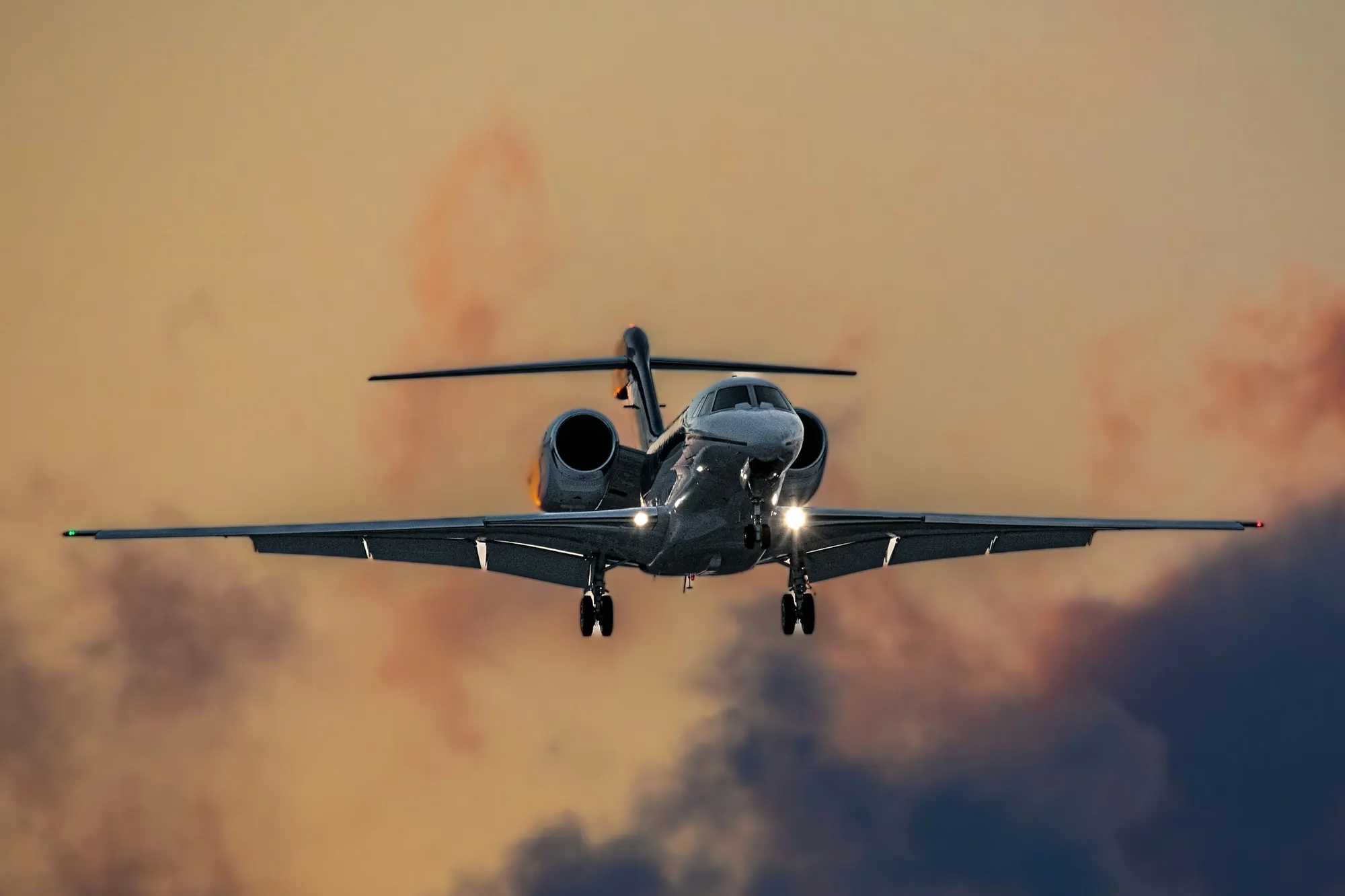
Hourly rate, daily minimums, repositioning, tax and fees, with a worked example.
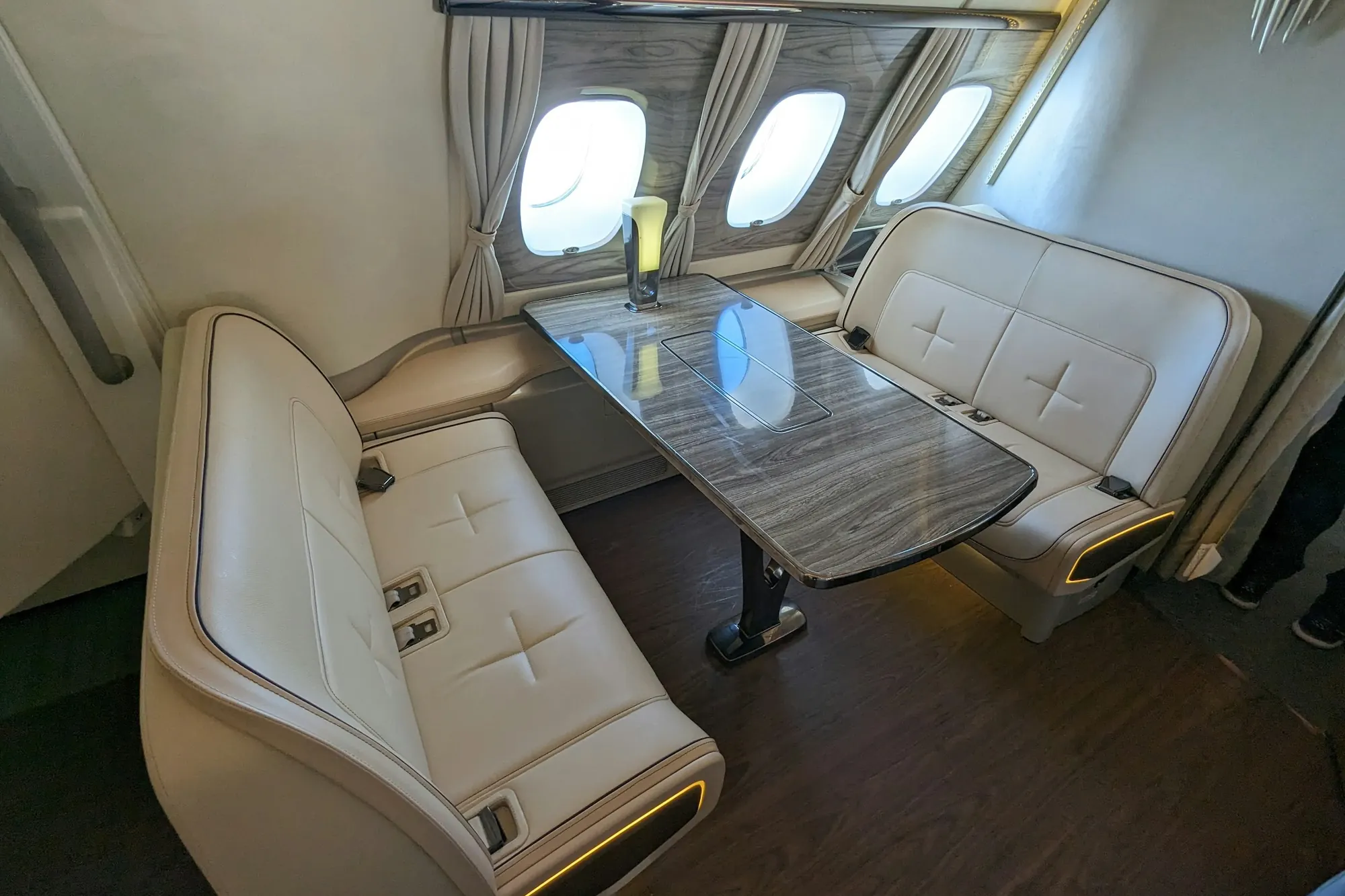
Which dates cost more, why, and the small changes that save the most.

09Request a quote
One request reaches an advisor who knows small aircraft. You’ll get options with the operator, the aircraft and a total price for each.
Quote request


